A MODEL FOR INDUSTRY ANALYSIS
The model of pure competition implies that risk-adjusted rates of return should be constant across firms and industries. However, numerous economic studies have affirmed that different industries can sustain different levels of profitability; part of this difference is explained by industry structure.
Michael Porter provided a framework that models an industry as being influenced by five forces. The strategic business manager seeking to develop an edge over rival firms can use this model to better understand the industry context in which the firm operates.
Diagram of Porter's 5 Forces
| SUPPLIER POWER Supplier concentration Importance of volume to supplier Differentiation of inputs Impact of inputs on cost or differentiation Switching costs of firms in the industry Presence of substitute inputs Threat of forward integration Cost relative to total purchases in industry | |||||||||||||||||||||||||||||||||||||||||||||||||||||||||||||||||||||||||||||||||||||||||||||||||||||||||||||||||||||||||||||||||||||||||||||||||||||||||||||||||||||||||||||||||||||||||||||||||||||||||||||||||||||||||||||||||||||||||||||||
| BARRIERS TO ENTRY Absolute cost advantages Proprietary learning curve Access to inputs Government policy Economies of scale Capital requirements Brand identity Switching costs Access to distribution Expected retaliation Proprietary products | 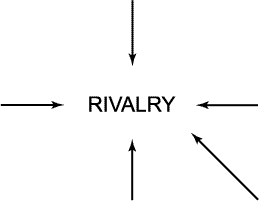 | THREAT OF SUBSTITUTES -Switching costs -Buyer inclination to substitute -Price-performance trade-off of substitutes | |||||||||||||||||||||||||||||||||||||||||||||||||||||||||||||||||||||||||||||||||||||||||||||||||||||||||||||||||||||||||||||||||||||||||||||||||||||||||||||||||||||||||||||||||||||||||||||||||||||||||||||||||||||||||||||||||||||||||||||
| BUYER POWER Bargaining leverage Buyer volume Buyer information Brand identity Price sensitivity Threat of backward integration Product differentiation Buyer concentration vs. industry Substitutes available Buyers' incentives | DEGREE OF RIVALRY -Exit barriers -Industry concentration -Fixed costs/Value added -Industry growth -Intermittent overcapacity -Product differences -Switching costs -Brand identity -Diversity of rivals -Corporate stakes | http://www.quickmba.com/strategy/porter.shtml |

Porters model is a good model. for me this model is really give benefit to each other either customer or supplier
ReplyDelete